What is HILT Laser Therapy & How Does it Help Treat TMD?
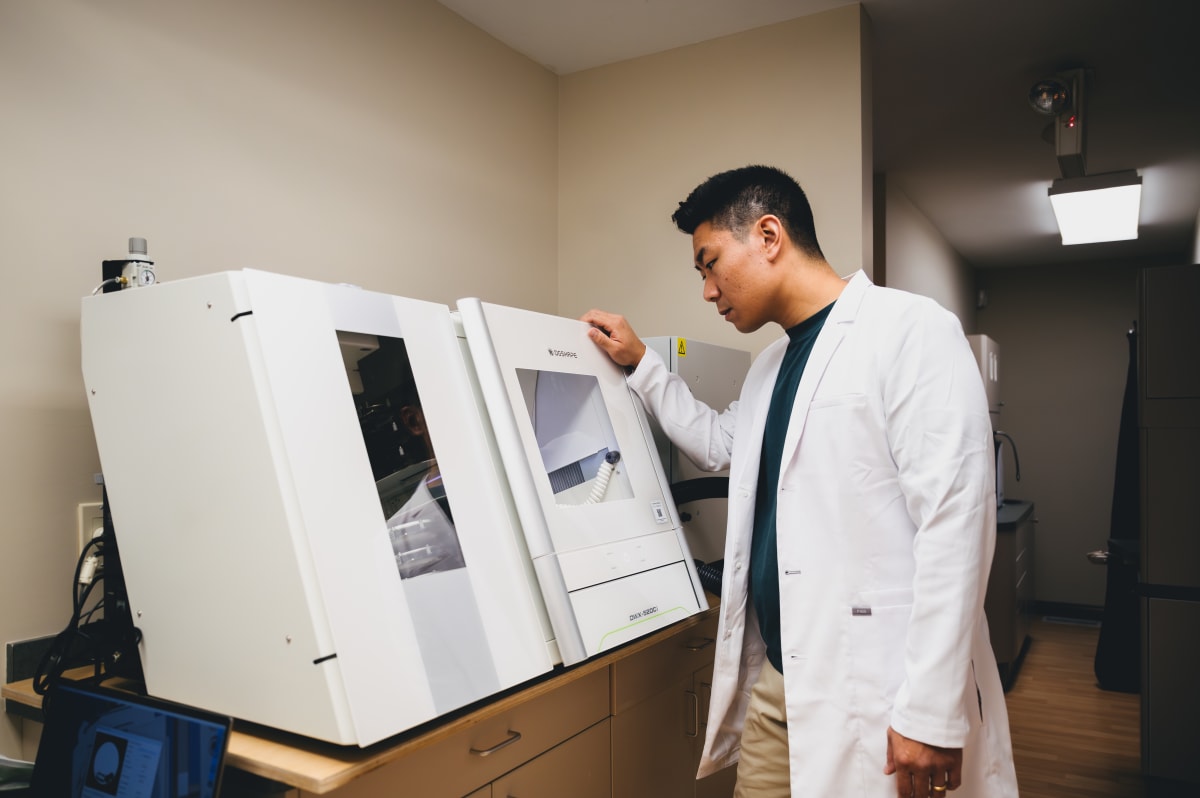
What Is HILT Laser Therapy, and Can It Actually Help Your Jaw?
If you've been managing jaw pain for months or years, you may have tried night guards, physical therapy, anti-inflammatories, or other treatments. HILT, or High Intensity Laser Therapy, represents a different approach to addressing jaw dysfunction and TMD-related discomfort.
HILT uses concentrated, high-powered laser energy to penetrate deep into the soft tissues and structures of the jaw joint. This technology is designed to reach the tissue layers where inflammation and pain originate. It's non-invasive, drug-free, and delivered in a clinical setting by trained providers. At Oral Implants and Reconstructive Dentistry, our team incorporates HILT as part of a comprehensive, evidence-informed approach to jaw dysfunction and TMD care.
HILT therapy uses high-powered laser energy to reduce pain and inflammation deep within the jaw joint tissues. This makes it a clinically relevant option for patients dealing with chronic jaw discomfort, TMD, or bite-related problems. Because it's non-invasive and drug-free, it fits naturally into a comprehensive treatment plan without recovery downtime.
Patients who may benefit from HILT therapy typically present with:
- A confirmed or suspected TMD diagnosis that hasn't fully responded to conservative care
- Chronic jaw pain, stiffness, or clicking that interferes with daily comfort or function
- Ongoing inflammation in the joint or surrounding musculature
- A preference for non-surgical, drug-free approaches before considering more invasive interventions
Continue reading to learn more about how HILT therapy works, what to expect during treatment, and whether it might be appropriate for your specific situation.
Quick Overview
- HILT therapy uses high-intensity laser energy to target inflammation and pain deep within jaw joint tissues.
- The treatment is non-invasive and drug-free, making it suitable for patients seeking conservative approaches to TMD care.
- HILT works through photobiomodulation, which can reduce inflammatory mediators and improve cellular healing processes.
- Treatment sessions are typically brief and require no recovery time, allowing patients to return to normal activities immediately.
- HILT is most effective when incorporated into a comprehensive TMD treatment plan rather than used as a standalone therapy.
Understanding TMD: Why Your Jaw Feels 'Off' and Won't Let You Relax
Many patients seek treatment because something about their jaw doesn't feel right. This persistent discomfort can make it difficult to chew normally, relax facial muscles, or ignore the constant awareness of jaw tension. These symptoms often indicate temporomandibular disorder, commonly called TMD.
TMD is a dysfunction of the temporomandibular joint (the hinge connecting your jaw to your skull) and the muscles that control jaw movement. It's one of the most common sources of chronic facial pain. Patients often receive treatment for headaches, neck tension, or ear discomfort before the jaw joint is identified as the source.
TMD symptoms can present in various ways:
- Jaw pain or soreness, especially in the morning or after meals
- Clicking, popping, or grinding sensations when opening or closing the mouth
- Limited range of motion, where the jaw feels locked or stiff
- Chronic headaches or pressure around the temples
- Neck and shoulder tension that doesn't resolve with typical treatment
- Bite discomfort, where teeth don't seem to meet properly
For some patients, these symptoms are intermittent. For others, they're a constant presence that affects sleep, eating, and daily function. TMD requires professional evaluation and treatment. Left unaddressed, it tends to worsen over time as surrounding muscles compensate and the joint sustains additional wear.
TMD involves dentistry, neuromuscular function, and structural bite mechanics. This complexity requires a comprehensive approach that considers the entire system. The team at Oral Implants and Reconstructive Dentistry evaluates jaw dysfunction from this broader perspective, which influences their treatment approach.
Understanding the underlying causes of TMD is essential for effective treatment. Our laser therapy services represent one component of comprehensive TMD care that addresses inflammation and promotes healing at the tissue level.
How HILT Laser Therapy Works on the Jaw Joint
Understanding what happens inside a painful jaw joint helps explain why certain treatments may be effective. If you've been experiencing persistent jaw discomfort, it's important to know that this discomfort has a biological basis, and there are therapeutic mechanisms that can address it at the tissue level.
HILT stands for High Intensity Laser Therapy. The core principle is photobiomodulation, which means that specific wavelengths of light energy can trigger biological responses in living tissue. This is a targeted treatment that works at the cellular level. The key factor for jaw joint therapy is depth of penetration.
High-intensity laser energy can reach the deeper structures where temporomandibular joint problems originate: the joint capsule, the surrounding musculature, and the connective tissue that maintains proper alignment. This depth of penetration makes the treatment clinically relevant for TMD-related concerns.
Once the laser energy reaches the target tissue, several biological processes occur:
- Mitochondria in stressed or damaged cells absorb the light energy and increase their production of ATP, which provides the energy cells need for repair
- Inflammatory mediators, the chemical signals that sustain pain and swelling, are reduced in the treated area
- Local circulation improves, which helps clear metabolic waste and brings nutrients needed for tissue healing
- Muscle tissue in the jaw and surrounding structures may release chronic tension patterns that often accompany joint dysfunction
These are established principles of laser-tissue interaction that have been studied in medical literature. HILT addresses the inflammatory and circulatory environment of the joint, targeting the underlying tissue conditions rather than just managing symptoms.
For more information about our laser therapy services, or to discuss whether this approach might be appropriate for your situation, you can contact our team at (614) 245-2816.
What a HILT Treatment Session Actually Looks Like
When considering HILT therapy for jaw pain or TMD, understanding the treatment process helps you make an informed decision. Here's what a typical HILT session at our office involves.
You'll be seated comfortably in the treatment chair, fully clothed. No needles, incisions, or anesthesia are required. The clinician guides a laser handpiece over the targeted areas around your jaw joint and surrounding musculature. The device delivers light energy into the deeper tissues. Sessions typically last between 10 to 20 minutes, allowing you to return to your normal activities immediately afterward.
The most common question we receive: does it hurt? Most patients report feeling gentle warmth, or sometimes no sensation at all during treatment.
For more detailed information about laser therapy and post-treatment care, our laser therapy post-operative care guide provides comprehensive guidance. If you have specific questions about HILT therapy, you can reach our team at (614) 885-1215.
Who Is a Good Candidate for HILT Therapy for TMD?
If your jaw feels persistently uncomfortable—tight, achy, clicking, or simply not right—and you've already tried a night guard without achieving relief, you may be a candidate for HILT therapy. This treatment approach is particularly relevant for patients who have been managing TMD symptoms and are seeking treatment that addresses the joint and surrounding tissue at a deeper level.
Patients who benefit most from HILT therapy often experience persistent jaw dysfunction that interferes with daily activities. Good candidates typically present with one or more of the following conditions:
- Chronic jaw pain or facial muscle tension that hasn't fully resolved with conservative measures alone
- Joint inflammation or internal joint changes that are contributing to limited range of motion
- TMD symptoms that have persisted despite consistent night guard use or physical therapy
- Jaw discomfort that interferes with daily function, including eating, speaking, or sleeping comfortably
- Active or upcoming reconstructive dental treatment, such as dental implants or full-arch restoration, where joint stability is essential for lasting results
Joint stability is particularly important when planning significant restorative work. If your jaw joint is inflamed or functionally compromised, it can affect the success of your treatment. At Oral Implants and Reconstructive Dentistry, addressing the joint environment is an integral part of comprehensive oral rehabilitation planning.
HILT is not appropriate for every TMD presentation, and candidacy cannot be determined without professional evaluation. A thorough clinical assessment is necessary to understand what's driving your symptoms and whether HILT therapy fits into your treatment plan. Our experienced team can evaluate your specific situation and discuss whether this treatment approach is right for you.
To discuss your symptoms and treatment options, you can reach our office at (614) 245-2816 or visit us at our Lewis Center location.
HILT as Part of a Broader TMD and Reconstruction Treatment Plan
When you're considering comprehensive dental treatment such as full mouth reconstruction, implants, or bite correction, the health of your jaw joint environment is as important as the restorations themselves. Unmanaged TMD can compromise complex dental rehabilitation. Inflammation in the joint, muscle imbalance, and bite instability continue to affect the system even after new crowns or implants are placed, potentially compromising treatment outcomes.
HILT fits into a sequenced treatment approach by addressing joint stability before or during restorative work. Rather than placing restorations into a system under stress, the goal is to stabilize the joint and reduce active inflammation first. HILT supports this process by working at the tissue level to calm the inflammatory environment and promote healing. It serves as one component within a comprehensive treatment strategy.
At Oral Implants and Reconstructive Dentistry, treatment planning considers the joint, bite, muscles, and restorations together. Our team evaluates patients who present with jaw tension, postural changes, or neck discomfort alongside their dental concerns, as these patterns often indicate a system that has been compensating over time.
For patients pursuing comprehensive rehabilitation, addressing TMD through laser therapy as part of a pre-restorative protocol helps establish a stable foundation for long-term treatment success. For more information about how joint health connects to implant outcomes, our full mouth rehabilitation page explains our approach to sequencing complex cases.
Understanding TMD Treatment Options
When you're dealing with jaw pain or TMD symptoms, understanding your treatment options helps you make informed decisions about your care. TMD affects each patient differently, which is why treatment approaches vary based on individual needs and symptoms.
Common TMD treatment approaches include:
- Occlusal splints and night guards help redistribute bite forces and reduce muscle tension from clenching or grinding during sleep.
- Physical therapy addresses muscle tension and movement patterns around the jaw joint.
- Anti-inflammatory medications can provide temporary relief from acute pain and swelling.
- Botox injections may help reduce excessive jaw muscle activity in certain cases.
- Surgical intervention is considered when conservative treatments haven't provided adequate relief.
HILT therapy offers a non-invasive, drug-free approach that works at the tissue level to address inflammation and support healing. It can be used alongside other treatments as part of a comprehensive care plan. Our laser therapy services are designed to complement your overall TMD treatment strategy.
Every patient's situation is unique. The most effective treatment plan depends on your specific diagnosis, symptoms, and medical history. At Oral Implants and Reconstructive Dentistry, we develop individualized treatment plans based on thorough evaluation and your specific needs.
If you'd like to discuss your TMD symptoms and treatment options, our experienced team is here to help you understand what approach might work best for your situation.
Questions to Ask Before Starting HILT Therapy for TMD
Choosing a treatment path for TMD requires careful consideration, and a qualified provider will welcome your questions during the consultation process. Before beginning High Intensity Laser Therapy, there are important topics to discuss to ensure this treatment approach aligns with your specific needs.
Begin by discussing your diagnosis. Ask whether your TMD has been evaluated with appropriate imaging or a comprehensive clinical examination, as the type and severity of your condition determines the most suitable treatment approach. HILT therapy is effective for certain TMD presentations, but each case requires individual assessment.
Important questions to consider include:
- Is HILT appropriate for my specific type of TMD, or would a different approach be more suitable?
- How does laser therapy integrate with my overall dental treatment plan, particularly if I'm considering restorative work?
- What does a complete treatment course involve, including session frequency and expected timeline?
- How will my progress be monitored, and what follow-up care is recommended?
These questions represent appropriate due diligence when considering any medical treatment. At Oral Implants and Reconstructive Dentistry, our approach focuses on providing comprehensive information to help you make informed decisions about your care. For detailed information about post-treatment care, our laser therapy post-operative care guide provides specific guidance. To discuss your individual situation, contact our office at (614) 885-1215.
Ready to Find Relief for Your Jaw Pain?
At Oral Implants and Reconstructive Dentistry, we understand that jaw dysfunction affects more than just your mouth. It impacts how you eat, sleep, and feel throughout your day. Our approach to TMD and HILT therapy starts with listening to your concerns and conducting a thorough evaluation of your jaw joint function.
Many patients come to us describing something that's difficult to explain: a mouth that just feels off. Uncomfortable at rest, difficult to chew normally, never quite relaxed. We take these descriptions seriously because they often indicate TMD that hasn't been properly addressed.
When it comes to HILT therapy, we use it as part of a comprehensive diagnostic and treatment approach. Depending on what we find during your evaluation, your treatment plan might include:
- A thorough bite and joint assessment to identify the source of dysfunction
- HILT therapy to reduce inflammation and support tissue healing at the joint level
- Occlusal therapy or protective appliances where appropriate
- Coordination with any reconstructive dental work you may need
If you want to learn more about what to expect after laser therapy treatment, our laser therapy post-operative care guide provides detailed information about the recovery process.
If you're researching TMD treatment options and wondering whether HILT therapy might be right for you, we encourage you to schedule a consultation. Dr. Rob and our team will take the time to listen to your concerns, evaluate your jaw function, and help you understand your treatment options.
You can reach us at (614) 245-2816 or visit us at our Lewis Center location. We're here to help you find the relief you've been looking for.
Connect with us
Contact us today to set up an appointment.
We’d love to help you serve your patients.

Office Address
145 Green Meadows Dr S,
Lewis Center, OH 43035
Monday 8:00 AM–3:00 PM
Tuesday 8:00 AM–3:00 PM
Wednesday Closed
Thursday 8:00 AM–3:00 PM
Friday 8:00 AM–2:00 PM
Saturday Closed
Sunday Closed