Understanding TMD: Causes, Symptoms, & Relief Options
What Is TMD, and Why Does It Feel So Hard to Explain?
Jaw discomfort can be difficult to describe. It may not be sharp pain or obvious stiffness, but rather a persistent sense that your mouth doesn't feel right. Your jaw may not fully relax, chewing may require more effort than usual, or your teeth may not come together comfortably despite attempts to consciously adjust your bite.
This experience is called temporomandibular disorder, or TMD. TMD refers to dysfunction involving the temporomandibular joint (the hinge connecting your jaw to your skull) and the surrounding muscles that control jaw movement. Multiple factors can contribute to TMD, including bite misalignment, teeth grinding, joint wear, and stress. Effective treatment options are available, and proper evaluation is the first step toward relief.
TMD is often misunderstood because its symptoms can overlap with other conditions. Headaches, ear pressure, neck tension, and tooth sensitivity may all stem from jaw dysfunction. Many patients manage individual symptoms for years without understanding the connection. At Oral Implants and Reconstructive Dentistry in Lewis Center, OH, our team evaluates TMD as a comprehensive issue, examining how your bite, joints, and muscles work together to develop an effective treatment plan.
Continue reading to learn more about TMD causes, symptoms, and treatment options.
Quick Overview
- TMD involves dysfunction of the jaw joint and surrounding muscles, often causing symptoms that extend beyond the jaw itself.
- The temporomandibular joint performs complex hinge-and-glide movements, making it uniquely vulnerable when bite alignment or joint function is compromised.
- TMD typically results from multiple contributing factors including bite problems, missing teeth, teeth grinding, and joint wear rather than a single cause.
- Symptoms can include jaw discomfort, clicking sounds, headaches, ear pain, neck tension, and difficulty chewing.
- Treatment approaches range from conservative care like splints and physical therapy to comprehensive reconstruction depending on the underlying structural issues.
The Anatomy Behind the Ache: How Your Jaw Joint Actually Works
The temporomandibular joint connects your lower jaw to your skull just in front of each ear. Unlike other joints in your body that simply hinge open and closed, this joint both hinges and glides simultaneously every time you speak, chew, swallow, or yawn. This complex dual-action design allows for the wide range of jaw movements you use throughout the day.
Inside the joint sits a small, crescent-shaped disc made of cartilage. This disc cushions the bones and keeps the gliding motion smooth. When this disc shifts out of its proper position, the joint cannot move as it was designed to. You may notice clicking or popping sounds, feel a catching sensation, or experience no obvious jaw symptoms at all.
TMJ problems often produce symptoms that seem unrelated to the jaw because of the trigeminal nerve. This major nerve network runs directly through the jaw joint area. When the joint becomes irritated or strained, the nerve signals can radiate to other areas of the head and neck. Common symptoms include:
- Ear pain or fullness without an ear infection
- Tension headaches, particularly at the temples
- Neck stiffness and upper shoulder tension
- Facial pain that moves from day to day
Many patients spend considerable time seeking treatment for these individual symptoms without anyone identifying the jaw joint as the source. Understanding this connection between jaw dysfunction and widespread symptoms is essential for effective treatment. At Oral Implants and Reconstructive Dentistry, our experienced team evaluates the complete picture to identify the root cause of your discomfort.
What Actually Causes TMD? (It's Rarely Just One Thing)
TMD typically develops from multiple factors working together over time. Understanding this helps explain why the condition can be complex to diagnose and treat effectively.
The temporomandibular joint performs complex movements throughout the day. It opens, closes, slides forward, and shifts side to side during chewing, speaking, and swallowing. When something disrupts this balance, symptoms can develop.
Common contributing factors include:
- Bite misalignment, where upper and lower teeth don't meet properly, creating uneven force distribution
- Missing teeth that shift how remaining teeth contact and how the jaw compensates
- Worn teeth from grinding or acid exposure, which changes the bite's vertical dimension
- Bruxism (chronic clenching or grinding), often occurring during sleep
- Previous dental work that altered the bite without accounting for joint position
- Trauma to the jaw, head, or neck
- Arthritic changes in the joint
Dental history often plays a significant role. Orthodontic treatment that moved teeth without addressing bite mechanics, crowns or bridges placed with slight misalignment, or extracted teeth that were never replaced can gradually stress the TMJ over time.
This doesn't mean all dental work leads to TMD. However, the jaw doesn't function independently from your dental history. Changes to your bite, whether large or small, affect how your jaw functions. Some people adapt without problems, while others reach a point where accumulated stress creates symptoms.
Stress contributes another significant factor. Clenching is a common way the body holds tension, and many people don't realize they're doing it. When stress combines with an already compromised bite, symptoms can develop or worsen quickly.
Identifying what's driving your TMD is essential for effective treatment. A comprehensive evaluation examines all these factors together. Learn more about our TMJ treatment options and how we address the underlying causes of jaw dysfunction.
Recognizing TMD: Symptoms That Go Beyond Jaw Pain
When your bite is misaligned, the stress on your temporomandibular joints can create symptoms throughout your head and neck. This is why temporomandibular disorder, or TMD, often goes undiagnosed for months or years.
Many patients with TMD visit multiple healthcare providers before receiving an accurate diagnosis. They may see their primary care doctor for headaches, an ENT for ear problems, or a neurologist for facial pain. While these specialists can provide helpful treatment, the underlying jaw dysfunction often remains unaddressed.
TMD symptoms can vary significantly from person to person. Common signs include:
- Jaw pain, stiffness, or tightness, especially in the morning or after eating
- Clicking, popping, or grinding sounds when opening or closing the mouth
- Difficulty chewing or a sense that your bite feels wrong
- Facial pain around the cheeks, temples, or behind the eyes
- Chronic headaches that don't respond to typical treatments
- Ear pain, ringing, or fullness without an ear infection
- Neck and shoulder tension that returns despite treatment
- Tooth sensitivity or visible wear on chewing surfaces
Tooth wear is particularly important to note. This often appears before patients realize their jaw joints are involved, serving as an early indicator of bite problems.
Some patients describe a persistent feeling that their mouth "doesn't feel right." This isn't necessarily painful, but creates a constant sense of discomfort or inability to find a comfortable jaw position. This symptom is common in TMD and should be evaluated by a dental professional.
At Oral Implants and Reconstructive Dentistry in Lewis Center, our experienced team evaluates TMD by examining the entire jaw system, not just individual symptoms. We offer comprehensive treatment options including laser therapy and Botox for TMJ disorders. If you're experiencing any of these symptoms, call us at (614) 885-1215 to schedule an evaluation.
The Link Between Missing Teeth, Bite Changes, and TMD
Understanding your symptoms is only part of the picture. The other part is understanding why they developed in the first place. For many people dealing with jaw pain and bite discomfort, the answer traces back to missing teeth.
When a tooth is lost and not replaced, the surrounding teeth don't simply stay put. They drift. They tip. Opposing teeth can over-erupt into the open space. Over time, what was once a balanced, even bite becomes a system under uneven stress. Your jaw muscles and your temporomandibular joints are constantly compensating, shifting the workload to accommodate a bite that no longer fits together properly. This chronic compensation can gradually develop into TMD.
This process often isn't painful at first. The discomfort develops gradually, until the whole mouth feels uncomfortable. That feeling of never being able to fully relax your jaw, of chewing requiring conscious effort, is a signal worth taking seriously.
Treating the TMJ without addressing underlying bite collapse addresses the symptom while leaving the cause intact. A gap in your dental arch cannot be closed with orthodontic alignment alone. The structural integrity of your bite depends on having the right teeth in the right places to support proper jaw function.
This is why the approach at Oral Implants and Reconstructive Dentistry in Lewis Center, OH looks at the complete picture of your dental health before recommending treatment. Our team understands that TMD care that ignores tooth loss, bite collapse, or missing posterior support is incomplete care. Replacing missing teeth with dental implants or fixed restorations isn't just cosmetic—it's foundational to how your jaw functions every day.
If you're experiencing jaw discomfort and have missing teeth, we encourage you to schedule a comprehensive evaluation. Call us at (614) 885-1215 to discuss how reconstructive treatment might help restore both comfort and function to your bite.
Getting an Accurate Diagnosis: Why TMD Is Often Missed

TMD can be challenging to diagnose because its symptoms often overlap with other conditions. Many patients describe jaw pain, headaches, or clicking joints to different healthcare providers and receive various explanations without getting to the root cause. This diagnostic difficulty can delay appropriate treatment.
TMD symptoms can mimic other conditions including migraines, sinus problems, ear disorders, and neck issues. A patient might consult a neurologist for headaches, an ENT for ear fullness, or a physical therapist for neck tension before considering jaw-related causes. This reflects how interconnected the head and neck systems are, which is why TMD evaluation requires comprehensive assessment.
Unlike some medical conditions that have definitive diagnostic tests, TMD diagnosis relies on multiple clinical findings. A thorough evaluation requires both appropriate diagnostic tools and clinical experience in jaw function. A comprehensive TMD assessment typically includes:
- Clinical examination of the jaw joints, muscles, and range of motion
- Bite analysis to evaluate how the upper and lower teeth meet and whether this relationship strains the joint
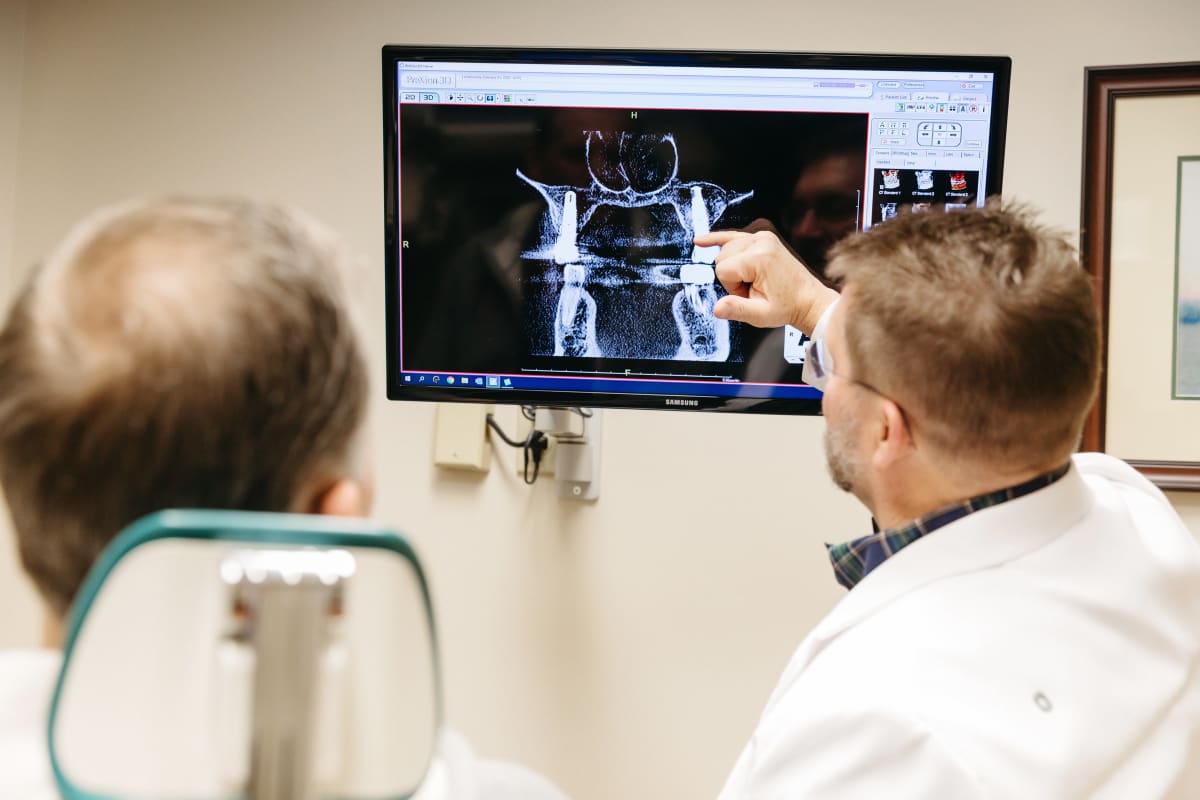
- Imaging studies to assess the structural condition of the temporomandibular joint
- Review of dental and medical history, including orthodontic treatment, restorations, or trauma
Dental and medical history provides important context for current symptoms. Previous orthodontic treatment, multiple dental restorations placed over time, or jaw injuries can create changes that contribute to current dysfunction. Understanding this history helps clinicians interpret examination findings accurately.
Effective TMD evaluation requires specialized knowledge in occlusion - the science of how teeth, muscles, and joints function together. This area of dentistry involves advanced training beyond general dental education. Our team at Oral Implants and Reconstructive Dentistry approaches TMD evaluation by examining the complete functional relationship between your bite, jaw joints, and surrounding muscles rather than addressing isolated symptoms.
Relief Options: From Conservative Care to Full Reconstruction

TMD treatment varies based on what's causing your symptoms. Most patients begin with conservative approaches to see how their jaw responds before considering more involved procedures. This step-by-step approach makes sense when muscle tension or stress-related clenching is the main issue. However, when the underlying problem is structural, conservative treatments may provide temporary relief without addressing the root cause.
Conservative treatment options typically include:
- Occlusal splints and night guards to reposition the jaw during sleep and reduce pressure on the joint
- Physical therapy and guided jaw exercises to improve range of motion and reduce muscle tension
- Stress management techniques and awareness of daytime clenching habits
- Laser therapy to reduce inflammation and promote healing in the jaw joint and surrounding tissues
- Botox injections to relax overactive jaw muscles and reduce clenching
These treatments work well when muscle overload or stress-driven grinding is the primary cause. Many patients find meaningful relief with these approaches. However, if your bite alignment is off, if teeth have worn down significantly, or if missing teeth have changed how your jaw closes, addressing only the symptoms may not provide lasting results.
When conservative treatments aren't sufficient, restorative options may be necessary. Some patients benefit from occlusal equilibration, which involves carefully reshaping tooth surfaces to improve bite balance. Others need to rebuild lost tooth height from years of grinding, which helps the jaw settle into a more comfortable position. For patients with multiple missing teeth, significant wear, or substantial bite changes, full mouth rehabilitation may provide the most comprehensive solution.
At Oral Implants and Reconstructive Dentistry, we evaluate each patient's specific situation to recommend appropriate treatment. We always consider conservative options first, but when patients describe persistent discomfort, difficulty chewing, or the feeling that their bite never feels quite right, this often indicates that structural issues need to be addressed. Our experienced team can help determine which approach is most likely to provide lasting relief for your specific situation.
When TMD Requires a Reconstructive Approach
If you've already tried conservative care and still feel like your mouth isn't right, the persistent discomfort may indicate a structural problem. Managing symptoms will only get you so far when the foundation itself needs rebuilding.
Over years of grinding, clenching, or living with missing teeth, the bite can collapse. The vertical dimension—the natural height your jaw maintains when your teeth come together—gradually decreases. Your jaw joints and muscles compensate for this change. Patients often describe feeling like their mouth is "off," they can't fully relax their jaw, or chewing feels difficult. This indicates a bite that has lost its stable reference point.
For patients in this situation, a splint may provide temporary relief, but it cannot restore what has been lost. For people who have been managing symptoms for years, lasting relief may require rebuilding the occlusal foundation. This typically means restoring proper vertical dimension and creating stable, even contact across the entire bite. Depending on your specific situation, this may involve:
- Crowns or onlays to rebuild heavily worn teeth to their correct height
- Dental implants to replace missing teeth that are allowing the bite to shift
- Full mouth reconstruction to address bite collapse across multiple areas
This approach focuses on addressing the underlying cause rather than managing symptoms indefinitely. Some dental problems compound over time. Continued wear, shifting, and compensatory muscle tension can create additional damage that becomes more complex to address later.
At Oral Implants and Reconstructive Dentistry in Lewis Center, comprehensive evaluation is central to our practice. Our goal is to provide you with a clear understanding of what's driving your symptoms and what treatment would be needed to resolve them. Our team has extensive experience in reconstructive approaches to TMD care. Call (614) 885-1215 to discuss your specific situation.
Living with TMD: What Patients Often Wish They'd Known Sooner
Chronic TMD can significantly impact daily life before patients understand what's causing their discomfort. Jaw tension that doesn't resolve, difficulty chewing certain foods, and persistent low-level discomfort can become a daily reality. These symptoms often develop gradually, making them easy to dismiss initially.
Many patients report wishing they had sought evaluation sooner. TMD symptoms don't always appear clearly on standard dental X-rays, and the condition can present with subtle signs that overlap with other health issues. Patients may spend considerable time receiving treatment for headaches, ear problems, or neck tension without addressing the underlying jaw dysfunction.
A comprehensive TMD evaluation involves examining the relationship between bite alignment, jaw joint function, and muscle coordination. This thorough approach helps identify the specific factors contributing to each patient's symptoms and guides appropriate treatment planning.
Untreated TMD can affect several aspects of health and daily function:
- Sleep quality, particularly when teeth grinding or clenching occurs
- Eating comfort and food choices
- Concentration and energy levels due to chronic discomfort
- Long-term dental health, as bite imbalances can accelerate tooth wear
For patients seeking more information about TMD evaluation, The Patient's Guide provides detailed information about the diagnostic process. Our team at Oral Implants and Reconstructive Dentistry can be reached at (614) 885-1215 to discuss your specific situation.
The goal of TMD treatment is to restore comfortable jaw function and eliminate the need for constant symptom management.
Connect with us
Contact us today to set up an appointment.
We’d love to help you serve your patients.

Office Address
145 Green Meadows Dr S,
Lewis Center, OH 43035
Monday 8:00 AM–3:00 PM
Tuesday 8:00 AM–3:00 PM
Wednesday Closed
Thursday 8:00 AM–3:00 PM
Friday 8:00 AM–2:00 PM
Saturday Closed
Sunday Closed