Struggling With Jaw Pain? Explore Effective TMD Treatments
When Your Jaw Never Feels Quite Right
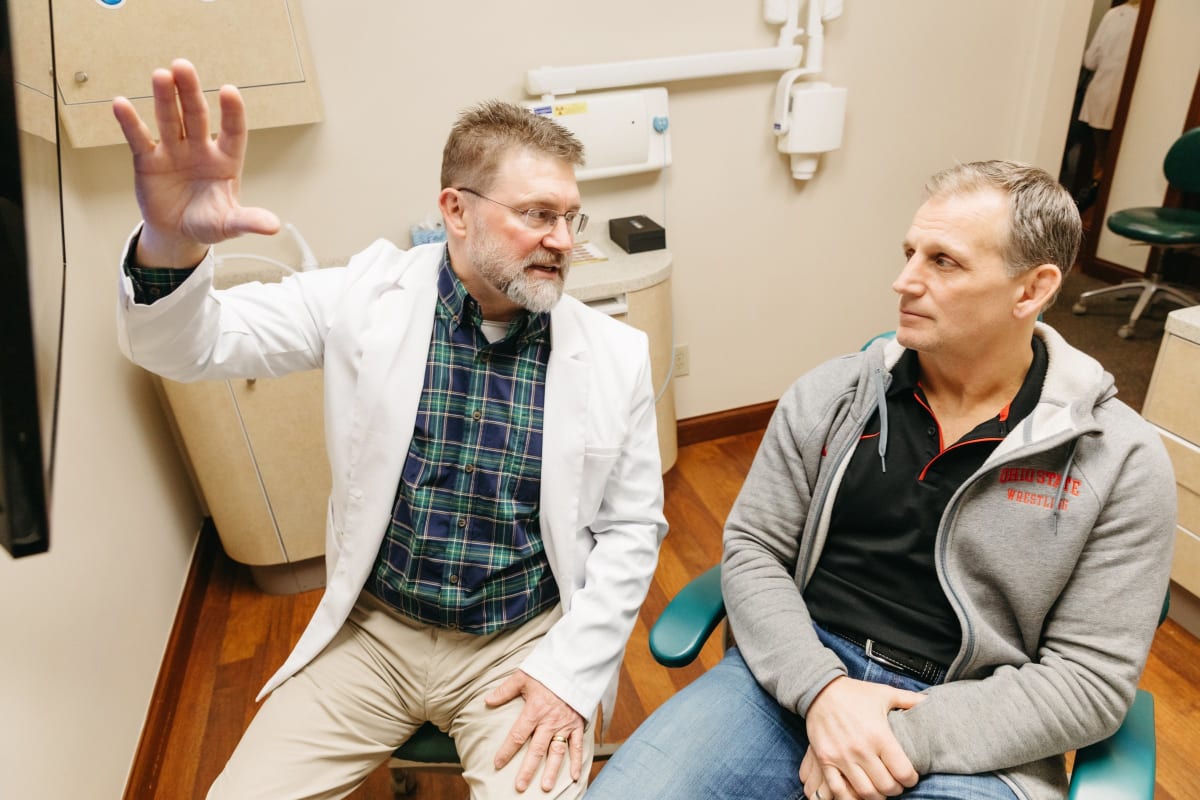
Jaw discomfort that persists throughout the day affects many people. You may notice clicking sounds when opening your mouth, increased effort required for chewing, or unconscious clenching. Some patients describe their mouth as never feeling comfortable or at rest, regardless of jaw position.
These symptoms often indicate temporomandibular joint disorder (TMD), a condition affecting the jaw joints and surrounding muscles. TMD is a recognized medical condition with established treatment protocols. Treatment typically begins with conservative approaches and progresses based on individual response and clinical findings.
At Oral Implants and Reconstructive Dentistry in Lewis Center, Dr. Heller and Dr. Shin evaluate and treat patients experiencing TMD symptoms. Many patients have managed these symptoms for extended periods before seeking professional evaluation.
Continue reading to learn about TMD causes, treatment options, and when to seek professional evaluation.
Quick Overview
- TMD affects the temporomandibular joint, causing jaw pain, clicking, and muscle tension that can extend to the head, neck, and shoulders.
- The condition involves complex interactions between jaw joints, bite alignment, and surrounding muscles, making accurate diagnosis essential.
- Conservative treatments including splints, physical therapy, and anti-inflammatory approaches provide relief for many patients.
- When structural bite problems contribute to TMD, restorative dentistry may be necessary to address underlying causes.
- Professional evaluation examines symptoms, joint function, and bite relationships to develop appropriate treatment plans.
What's Actually Happening in Your Jaw Joint
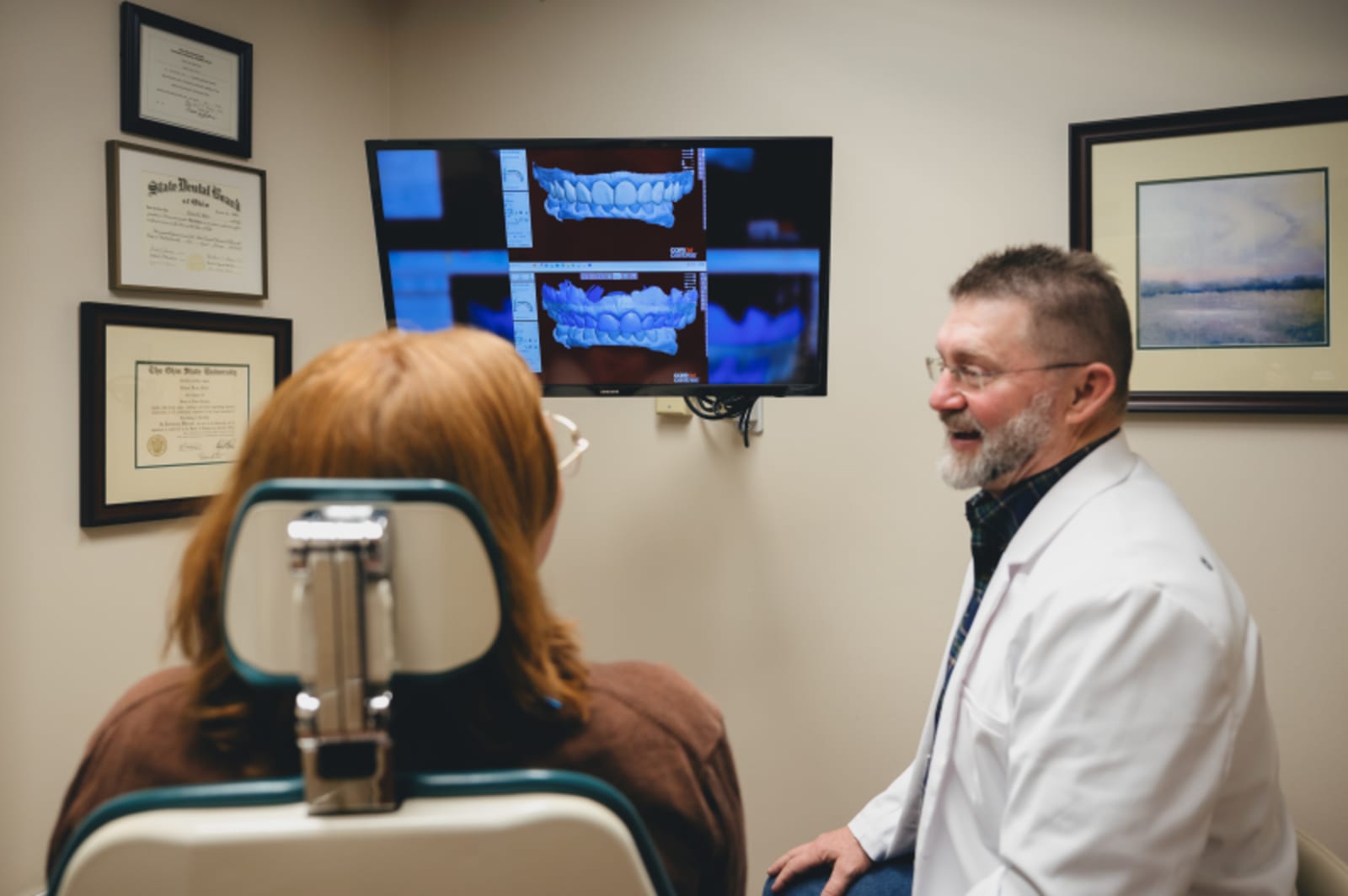
When you have TMD, you're not managing a simple joint problem. The temporomandibular joint is one of the most mechanically complex structures in the human body, and understanding this complexity helps explain why the discomfort rarely stays contained to the jaw itself.
The TMJ performs two distinct types of movement simultaneously: rotation and translation. Every time you chew, speak, yawn, or swallow, both joints on either side of your skull move in coordination. This happens throughout the day, guided by cartilage, a small cushioning disc, surrounding muscles, and the alignment of your bite. When any part of this system is disrupted, the other components compensate. Sustained compensation becomes its own source of strain.
The joint connects to anatomy throughout your head and neck, which explains why symptoms often extend beyond the jaw. The muscles and nerves involved connect directly to your temples, ears, neck, and the base of your skull. Jaw tension can produce:
- Chronic headaches that feel like tension or migraine pressure
- Ear pain or a sense of fullness with no underlying ear condition
- Neck stiffness and upper shoulder tightness
- A clicking or locking sensation when opening or closing the mouth
These symptoms are not imagined. They are the predictable result of a system under sustained load. At Oral Implants and Reconstructive Dentistry, our team approaches TMD by evaluating the complete system, because treating the joint without addressing bite alignment, muscle function, and overall coordination rarely provides lasting relief.
Why TMD Is Frequently Misread and Mistreated
The diagnostic process matters as much as the treatment itself when it comes to TMD.
TMD involves multiple systems working together: the jaw joints, bite alignment, surrounding muscles, teeth positioning, and sometimes the nervous system. This complexity means patients often receive partial answers from different specialists. A general dentist may focus on the teeth, an orthodontist on alignment, and a neurologist on headaches. Without coordination between these approaches, patients continue experiencing discomfort even after treatment.
Some patients find that after orthodontic treatment, their teeth look better but their jaw feels worse. This can happen when TMD isn't evaluated before beginning treatment that changes bite alignment. Moving teeth affects how the jaw joints function and load during daily activities like chewing and speaking.
When you've lived with chronic jaw discomfort, being told everything looks normal can be frustrating. Effective TMD treatment requires a provider who evaluates the bite, joints, and muscles as interconnected parts of one system. At our practice, this comprehensive approach guides our diagnostic process from the beginning.
TMD Treatment Options: Conservative to Comprehensive
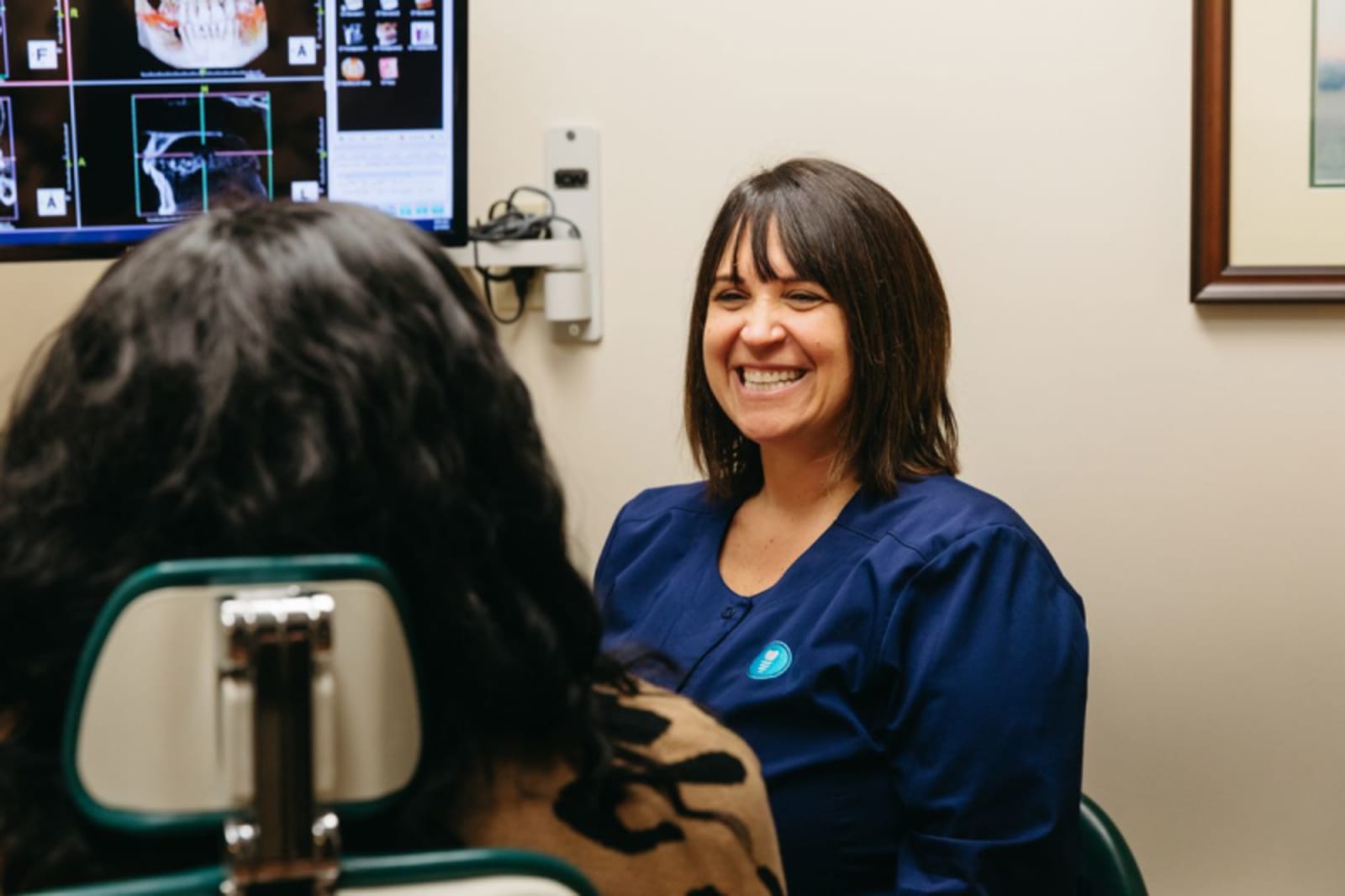
Once we have a clear diagnosis, we can discuss treatment options that make sense for your specific situation. Most TMD treatment begins with conservative approaches that are reversible and low-risk.
Conservative treatments form the foundation of TMD care. These approaches allow the jaw joint to settle down without permanent changes to your bite or teeth. Common starting treatments include:
- Custom occlusal splints or nightguards that reduce clenching forces and decompress the joint
- Physical therapy targeting jaw muscles, neck, and posture
- Anti-inflammatory medications and dietary modifications to reduce acute symptoms
- Minor bite adjustments to eliminate premature tooth contacts
- Laser therapy to reduce inflammation and promote healing
- Botox injections for muscle relaxation in severe cases
Many patients find significant relief with these conservative measures. However, when TMD symptoms persist despite conservative treatment, the underlying cause may be structural.
When TMD is caused by bite problems, joint decompression alone may not provide lasting relief. Missing teeth, severely worn dentition from grinding, or a collapsed bite can create mechanical stress that no splint can permanently resolve. In these cases, restorative dentistry addresses the root cause.
Full mouth rehabilitation may be necessary to restore proper jaw function. This involves replacing missing teeth with implants, restoring worn surfaces with crowns, and re-establishing a stable bite relationship. Not every TMD patient requires comprehensive reconstruction, but for those who do, it can provide the lasting relief that conservative treatment cannot.
At Oral Implants and Reconstructive Dentistry, we evaluate each case individually to determine the most appropriate treatment approach for your specific needs.
How a Reconstructive Approach Differs From Symptom Management
Some TMD cases require addressing the underlying structural issues rather than managing symptoms alone. When conservative treatments like splints, medications, and physical therapy provide temporary relief but symptoms return, the problem may be rooted in the bite structure itself.
At Oral Implants and Reconstructive Dentistry, we evaluate the teeth, jaw joints, and muscles as connected components of one system. When tooth loss, wear, or misalignment changes how the jaw closes, the body adapts by overworking certain muscles and joints. This compensation creates the persistent discomfort many patients experience.
Reconstructive treatment focuses on rebuilding a stable bite position. This may involve restoring worn or missing teeth, repositioning the jaw, or combining multiple approaches. Our experienced team can evaluate whether reconstructive options like full mouth rehabilitation would address your specific situation.
Every treatment plan begins with a thorough diagnosis. We assess what's driving your symptoms before recommending any approach, ensuring treatment addresses the root cause rather than just managing ongoing discomfort.
What to Expect When You Seek a TMD Evaluation

A proper TMD evaluation requires time and attention to detail. The temporomandibular joint connects to multiple systems in your head and neck, so understanding your specific situation involves examining several factors together.
During your evaluation, we will conduct:
- A comprehensive review of your symptoms, medical history, and how long you have experienced jaw discomfort
- A physical examination of your jaw joints to assess movement, clicking sounds, and any restrictions
- An analysis of your bite relationship to determine if tooth alignment contributes to joint stress
- Diagnostic imaging when necessary to visualize joint structures and identify any abnormalities
This evaluation process allows us to identify the underlying causes of your TMD symptoms rather than simply addressing surface-level discomfort. At Oral Implants and Reconstructive Dentistry in Lewis Center, Dr. Heller, Dr. Shin, and our team take this comprehensive approach because effective TMD treatment depends on accurate diagnosis. We may also discuss laser therapy or Botox treatment options if they align with your specific condition.
Connect with us
Contact us today to set up an appointment.
We’d love to help you serve your patients.

Office Address
145 Green Meadows Dr S,
Lewis Center, OH 43035
Monday 8:00 AM–3:00 PM
Tuesday 8:00 AM–3:00 PM
Wednesday Closed
Thursday 8:00 AM–3:00 PM
Friday 8:00 AM–2:00 PM
Saturday Closed
Sunday Closed