Can You Still Get Dental Implants With Severe Bone Loss?
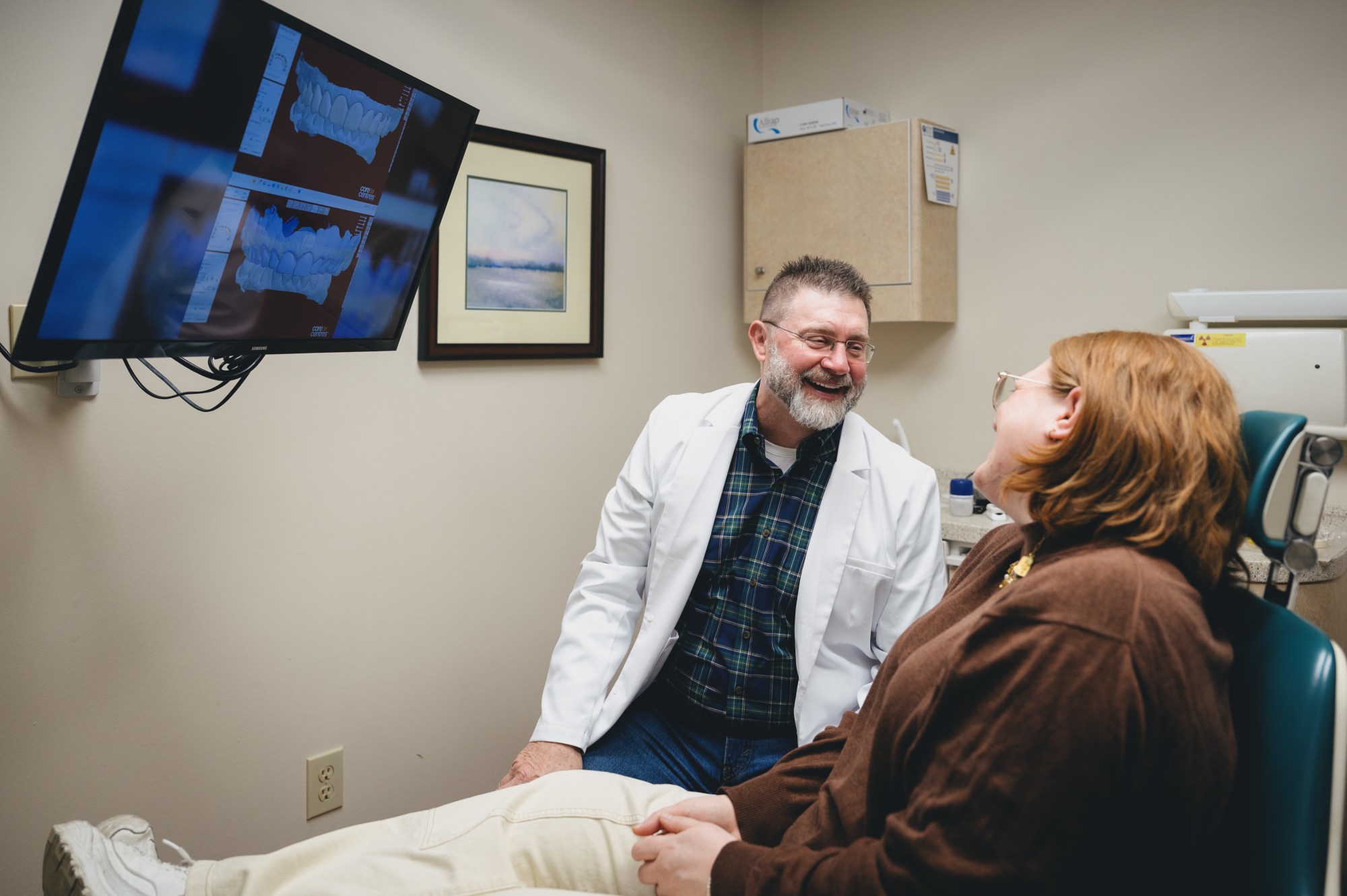
Dental Implants After Bone Loss: Is it Possible?
When a dentist reviews your scans and says implants aren't possible due to bone loss, this can feel like a final answer. You may have been dealing with dental problems for some time and finally decided to pursue implants, only to learn that significant bone loss has occurred in your jaw.
However, severe bone loss does not automatically eliminate dental implants as an option. Bone grafting and reconstructive procedures are specifically designed to rebuild the jawbone foundation needed for successful implant placement. Many patients who receive an initial "no" elsewhere find that the correct answer is that additional preparatory steps are required.
At Oral Implants and Reconstructive Dentistry in Lewis Center, OH, Dr. Robert Heller specializes in complex cases involving significant bone loss. Our practice focuses on reconstructive solutions that rebuild the necessary foundation for long-term implant success.
Continue reading to learn about bone loss, reconstruction options, and how we evaluate candidacy for dental implants.
Quick Overview
- Bone loss occurs naturally when teeth are missing because the jawbone no longer receives stimulation from tooth roots.
- Bone grafting procedures can rebuild jawbone volume and density to create a stable foundation for dental implants.
- Comprehensive 3D imaging and specialist evaluation are necessary to determine actual treatment options for patients with bone loss.
- Full-arch implant solutions can work with existing bone structure through strategic implant placement techniques.
- A thorough consultation with an implant specialist provides the most accurate assessment of your individual treatment possibilities.
Why Bone Loss Happens in the First Place
Your jawbone requires stimulation to maintain its density and strength. When you bite and chew, tooth roots send pressure signals into the bone, prompting your body to continuously rebuild the bone tissue. When a tooth is lost, this stimulation stops. Without this signal, your body gradually stops maintaining the bone in that area through a natural process called resorption.
Bone resorption causes the jaw to shrink in both height and width over time. This is why dentures that initially fit well may become loose and uncomfortable as months and years pass. Several factors can accelerate bone loss, including gum disease, jaw trauma or injury, and long-term denture wear without tooth root replacement.
Patients may notice facial changes as bone loss progresses: changes in jawline definition, altered facial support, or bite alignment issues. These changes are common reasons patients seek treatment at our restorative dentistry practice in Lewis Center. Bone loss is a well-documented process with established treatment options, even in cases where it has been ongoing for extended periods.
What 'Severe' Bone Loss Actually Means for Implant Candidacy
When a dentist describes bone loss as "severe," this typically means additional preparation will be needed before implant placement, not that implants are impossible. Bone loss that completely prevents reconstruction is less common than many patients believe after an initial consultation.
Implant candidacy exists on a spectrum rather than a simple yes or no answer. Determining where you fall on this spectrum requires factors that cannot be assessed through visual examination or standard two-dimensional X-rays alone. A thorough evaluation with three-dimensional imaging maps the actual volume, density, and architecture of your jaw to determine your treatment options.
This is where reconstructive dentistry becomes essential. Bone grafting, ridge augmentation, and sinus procedures are designed to prepare patients who need additional bone structure before implant placement. At Oral Implants and Reconstructive Dentistry in Lewis Center, comprehensive evaluation is the starting point for understanding what treatment path will work for your specific situation.
Bone Grafting: Rebuilding the Foundation Before the Implant
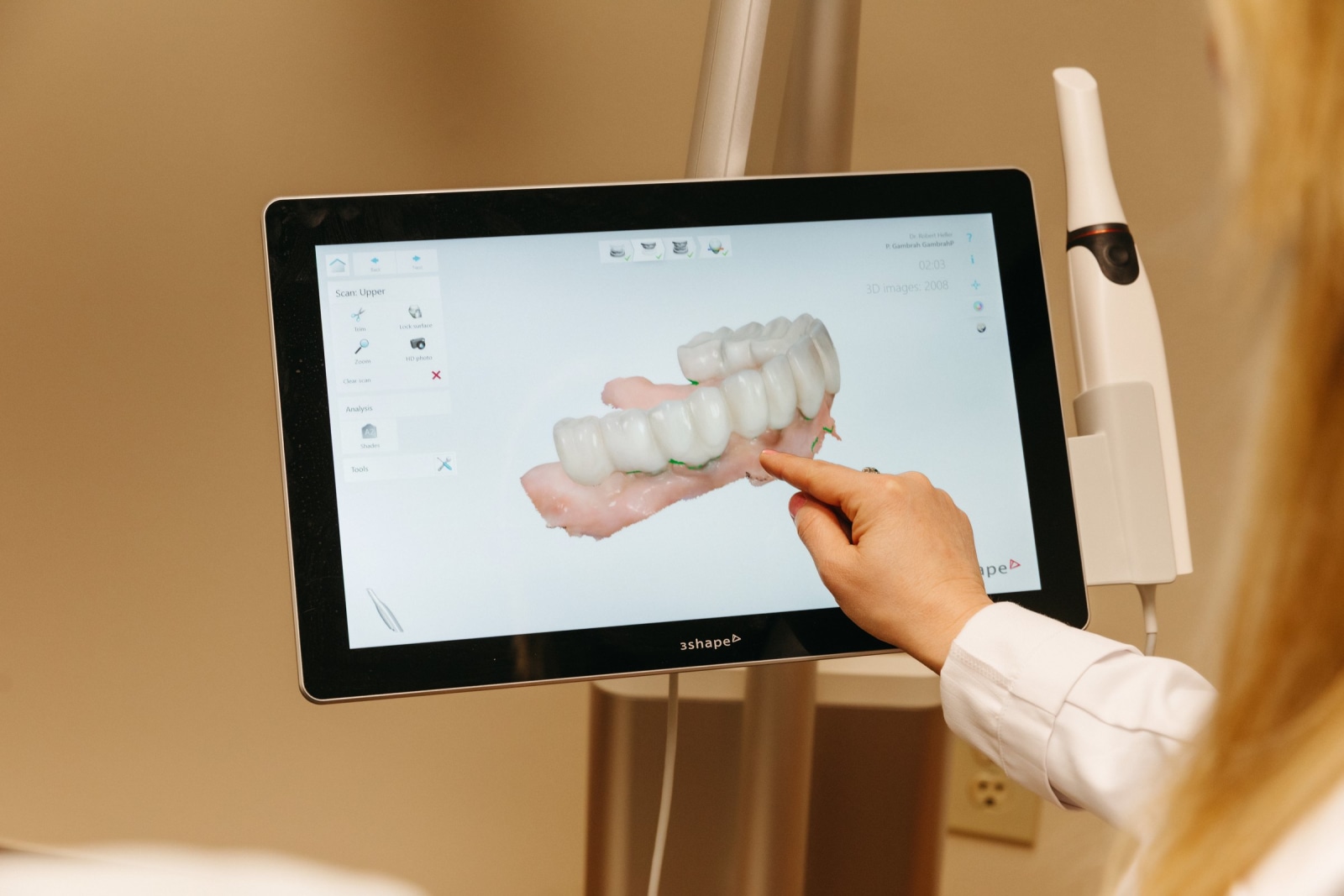
When imaging reveals insufficient bone structure, bone grafting becomes necessary before implant placement. Patients who have been missing teeth for extended periods or have experienced bone loss from gum disease or infection may lack adequate jaw structure to support an implant securely.
Bone grafting adds volume back to the jaw, creating the stable foundation an implant requires for proper integration and long-term success. Without adequate bone structure, an implant cannot achieve the stability necessary for function and durability.
Bone grafting does require additional healing time. The grafted area needs several months to heal and consolidate before implant placement can proceed. This staged approach ensures the implant has the best possible foundation for long-term success.
The additional time required for grafting serves an important purpose. Patients who pursue faster treatment options without addressing underlying bone loss often experience complications or treatment failure. The staged approach provides the foundation necessary for a successful, long-term outcome.
At Oral Implants and Reconstructive Dentistry in Lewis Center, our restorative dentistry team develops treatment timelines that prioritize long-term success. You can call us at (614) 885-1215 to discuss your specific situation and treatment options.
When the Bone Loss Is More Extensive: Full-Arch Options
When bone loss affects multiple teeth or an entire arch, patients often wonder if dental implants are still possible. For those who have worn dentures for years or are facing widespread tooth loss, full-arch implant solutions may provide an effective treatment option.
Full-arch implant systems work differently than single tooth replacements. These treatments use strategic implant placement to work with available bone structure. The implants are positioned at specific angles and locations where bone volume is typically better preserved. This approach allows many patients with significant bone loss to receive implant treatment after proper evaluation.
Full-arch reconstruction addresses both function and stability. For patients who have struggled with loose dentures or an uncomfortable bite, these solutions can restore the ability to eat, speak, and smile with confidence.
Our practice offers comprehensive full mouth rehabilitation services for patients considering this treatment approach. To discuss your specific situation with our team, call (614) 885-1215.
The Evaluation Is Where the Real Answer Lives

Determining dental implant candidacy with bone loss requires a comprehensive clinical evaluation. The question "Can I get implants with bone loss?" can only be answered through thorough examination and three-dimensional imaging that maps your jaw's bone volume, density, and architecture.
Bone loss exists on a spectrum. Where you fall on that spectrum determines your treatment options, timeline, and the specific procedures needed for successful implant placement. Online research and general consultations cannot provide the detailed assessment required to determine your individual candidacy.
If you've been told implants aren't possible, or you're researching your options, a specialist evaluation provides the clearest picture of what's actually achievable. The team at Oral Implants and Reconstructive Dentistry specializes in complex implant cases and reconstructive procedures. A comprehensive evaluation is the starting point for understanding your specific treatment possibilities.
Connect with us
Contact us today to set up an appointment.
We’d love to help you serve your patients.

Office Address
145 Green Meadows Dr S,
Lewis Center, OH 43035
Monday 8:00 AM–3:00 PM
Tuesday 8:00 AM–3:00 PM
Wednesday Closed
Thursday 8:00 AM–3:00 PM
Friday 8:00 AM–2:00 PM
Saturday Closed
Sunday Closed