Benefits of All-on-X vs Traditional Implant-Supported Dentures
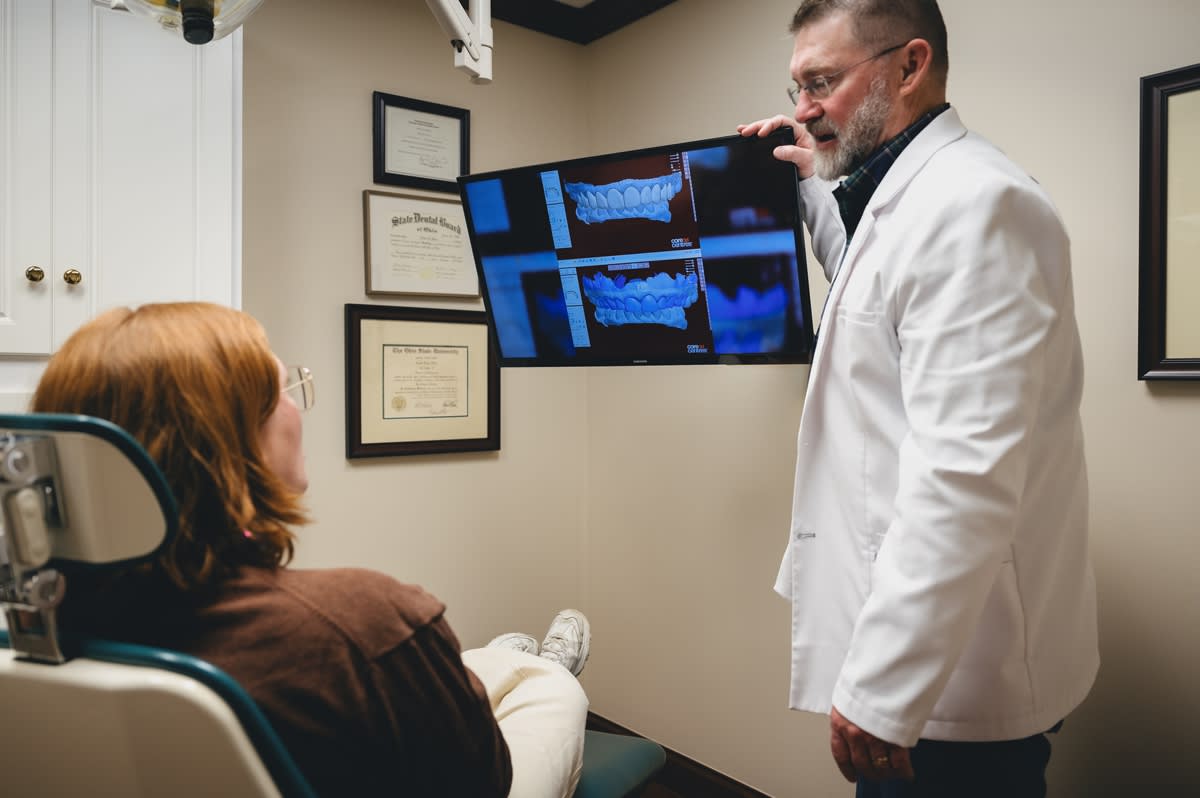
How to Choose Between All-on-X vs Implant-Supported Dentures
Many patients with dentures or implant-supported prosthetics experience a persistent sense that something isn't quite right. Chewing feels awkward, you may favor one side of your mouth, or find yourself cutting food smaller than necessary. This isn't pain exactly, but rather a constant awareness that your teeth don't feel natural.
This experience is more common than many patients realize. All-on-X implant treatment addresses these concerns by creating a fixed restoration that integrates with your jawbone, similar to how natural teeth function. The prosthetic is permanently attached to dental implants, which allows for more natural chewing patterns and eliminates the movement that can occur with removable options.
Dr. Heller, Dr. Shin, and our team at Oral Implants and Reconstructive Dentistry work with patients who have often spent years managing these daily challenges. Understanding the differences between treatment approaches can help you make an informed decision about your oral health.
Continue reading to learn about the key differences between All-on-X and traditional implant-supported dentures.
Quick Overview
- All-on-X creates a fixed restoration that doesn't move during eating or speaking, while traditional implant-supported dentures are removable.
- Fixed restorations distribute chewing forces directly through the implants into the jawbone, which helps maintain bone density over time.
- Removable implant-supported dentures require daily removal for cleaning and periodic adjustments as tissues change.
- All-on-X maintenance involves cleaning the restoration in place, similar to caring for natural teeth.
- The choice between approaches depends on your bone structure, oral health goals, and personal preferences.
Fixed vs. Removable: The Distinction That Changes Everything
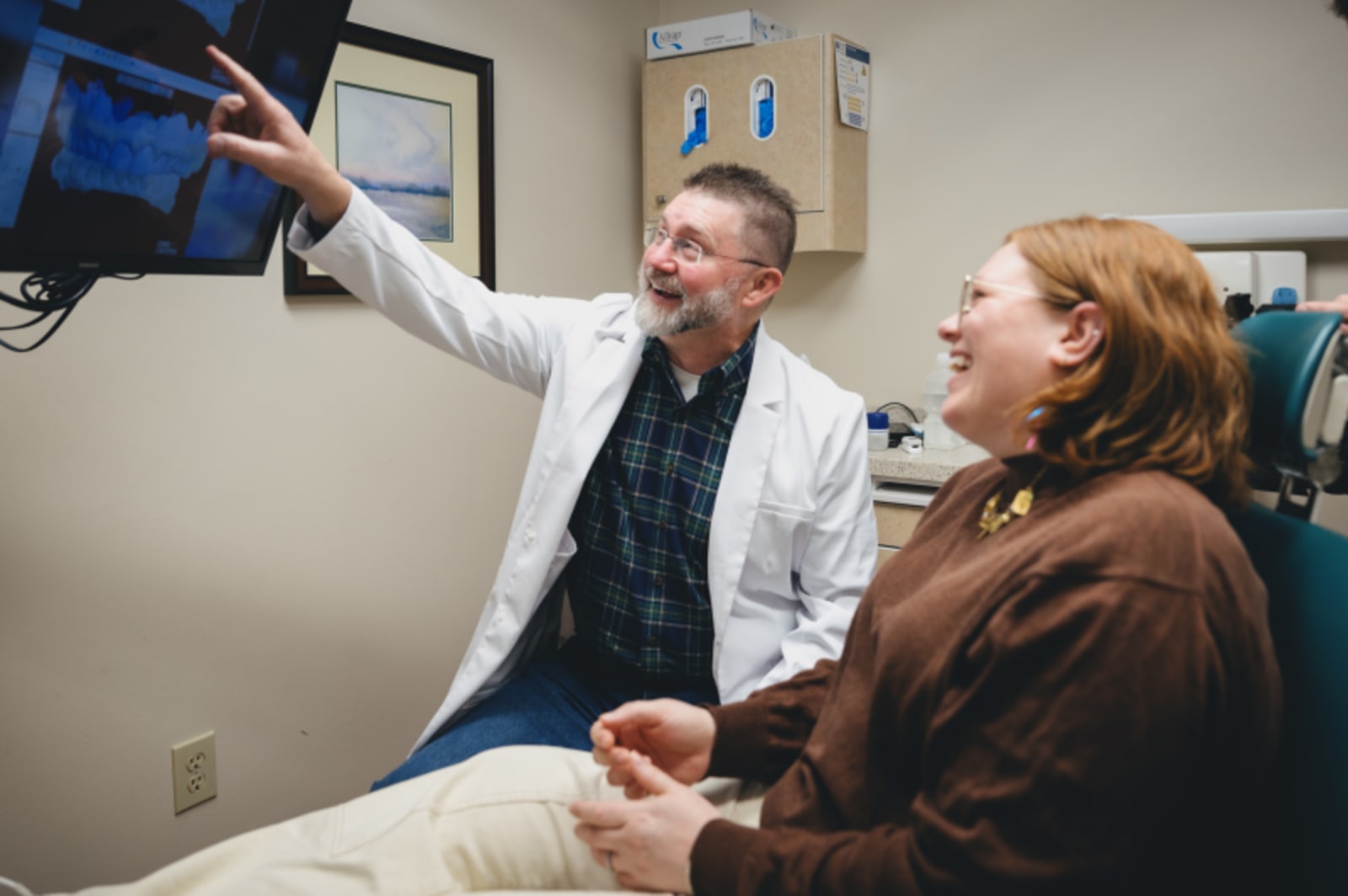
In dental implant treatment, the term "fixed" has specific clinical meaning. A fixed implant arch, such as those used in All-on-X treatment, is permanently attached to your implants. It does not come out at night, does not require adhesives, and does not shift during normal function like eating or speaking.
Removable implant-supported options function differently. These dentures attach to implants through locator snaps or bars but can be removed for cleaning. For some patients, removability offers advantages in terms of hygiene access and maintenance. However, removable options remain prosthetic appliances that sit on the gums rather than being integrated into the jawbone structure.
The difference between fixed and removable affects daily function. Patients with removable options may experience some movement during eating or speaking, while fixed restorations provide stable function similar to natural teeth. This distinction influences how comfortable patients feel with their restoration over time.
The choice between fixed and removable restoration is a significant treatment decision. Understanding the functional differences helps patients make informed decisions about their restorative treatment based on their individual needs and preferences.
How Chewing Force Gets Distributed and Why It Matters Over Time
Understanding what happens beneath the surface at the level of bone and tissue helps explain the long-term differences between treatment approaches.
When you bite down with a fixed implant-supported restoration, the force travels directly through the implant posts and into the jawbone. This direct stimulation is important because bone is living tissue that responds to load. When it receives consistent stimulation from chewing, it maintains its density and volume. This is the same principle at work with natural teeth, and it's why properly placed dental implants can help preserve jaw structure over time.
Removable implant-supported options distribute chewing forces differently. Some of the load passes through soft tissue or gets distributed across attachment hardware rather than going directly into bone. Over time, the tissue can compress and the attachments may wear, which can affect how the restoration fits and feels.
Bone resorption is a gradual process that can eventually affect fit, function, and facial structure. A fixed solution that continuously stimulates the bone provides ongoing support for the foundation that everything else depends on. If you're considering your options and want to understand how this applies to your specific situation, our team at Oral Implants and Reconstructive Dentistry can discuss what long-term bone preservation means for your individual case.
Understanding Long-Term Maintenance Requirements
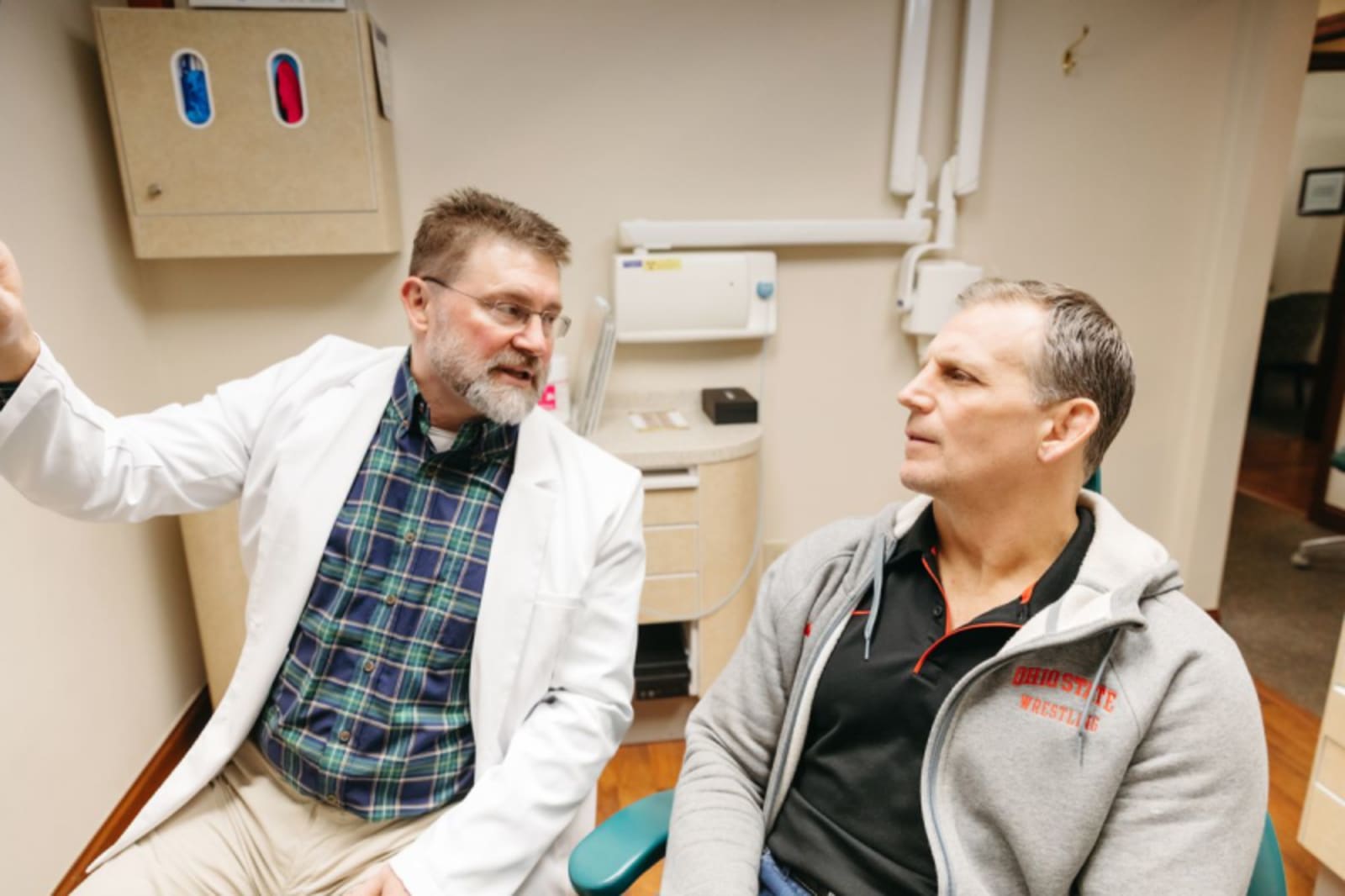
Understanding the maintenance requirements of your tooth replacement option is essential for making an informed decision. Both All-on-X and traditional implant-supported dentures require ongoing care, but the nature of that care differs significantly.
Traditional implant-supported dentures require daily removal for cleaning. The attachments that secure the denture to the implants wear over time and need periodic replacement. As your jaw naturally changes shape, the denture may require relining to maintain proper fit. These factors mean regular maintenance appointments throughout the life of your restoration.
All-on-X restorations are permanently attached to the implants and cleaned in place, similar to natural teeth. You'll use specialized brushes and flossing tools designed for implant-supported restorations. The fixed design means fewer mechanical components that can wear or require adjustment.
Both options require professional maintenance and regular dental visits. The key difference lies in the daily care routine and frequency of adjustments needed. When considering your options, factor in how the maintenance requirements fit with your lifestyle and preferences. Our team at Oral Implants and Reconstructive Dentistry can explain the specific maintenance protocols for each option during your consultation.
Who Actually Gets the Best Outcome from Each Approach
Both treatment options can be successful when properly matched to the patient's specific situation. The key is determining which approach aligns with your oral health needs, lifestyle preferences, and treatment goals.
All-on-X implants work well for patients who have sufficient bone density and want a permanent solution that stays in place. This approach provides stability and function similar to natural teeth, with an adjustment period as you adapt to your new restoration.
Traditional implant-supported dentures may be recommended for patients who:
- Have significant bone loss that affects implant placement options
- Prefer the ability to remove their restoration for cleaning
- Need a staged treatment approach based on their overall oral health
Both treatments can restore function and improve quality of life when appropriately selected. A comprehensive evaluation at Oral Implants and Reconstructive Dentistry includes detailed imaging and assessment to determine which option best suits your individual circumstances. Our experienced team can identify factors in your bone structure and oral health that influence treatment success.
Why the Surgeon's Experience Shapes the Result as Much as the Technique
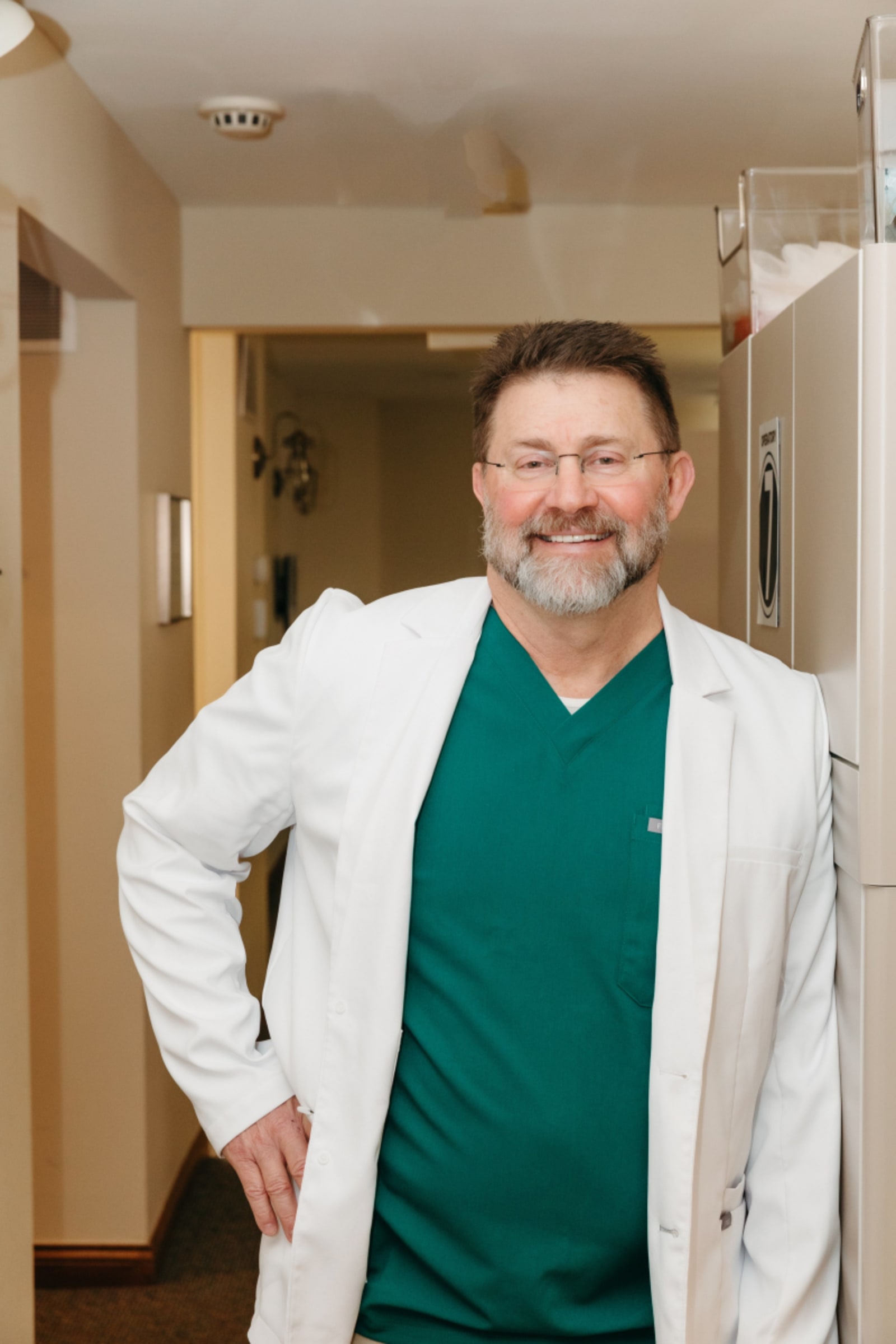
All-on-X is a technique-sensitive procedure, which means the outcome depends as much on who performs it as on the procedure itself. The planning, execution, and clinical judgment behind the treatment determine your long-term results.
Implant angulation affects how chewing forces distribute across your jaw over years of use. Prosthetic planning determines whether your bite feels natural or uncomfortable. Case selection—knowing when a patient is a good candidate and when they aren't—requires experience that develops over time through treating many similar cases.
Patient trust develops when they see consistent outcomes from a practice that focuses on full-mouth reconstruction. Before choosing any provider, consider asking who handles the prosthetic phase, and how closely they collaborate with the surgical team, and ask if you can see documented outcomes from cases similar to yours?
The team at Oral Implants and Reconstructive Dentistry in Lewis Center, OH, centers their practice around this type of reconstructive work. You can reach them directly at (614) 885-1215 to discuss your specific situation.
Connect with us
Contact us today to set up an appointment.
We’d love to help you serve your patients.

Office Address
145 Green Meadows Dr S,
Lewis Center, OH 43035
Monday 8:00 AM–3:00 PM
Tuesday 8:00 AM–3:00 PM
Wednesday Closed
Thursday 8:00 AM–3:00 PM
Friday 8:00 AM–2:00 PM
Saturday Closed
Sunday Closed